


The Importance of Self-Expression When Recovering From Adversity & Trauma
Life can be difficult for everyone–across all boundaries of existence such as race, gender, age, and many more–-but for those who have had to deal with more complex, systemic personal struggles and braced themselves through chronic adversity, it can be even harder.
There are many outlets to choose from, but a particularly valuable method of overcoming adversity is to participate in the creative process. In order to explore the creative process in closer detail and determine how to wield creativity to pick yourself back up and grow into a stronger person, it may be helpful to first become familiar with the most popular outlets among other survivors.
Visual Arts
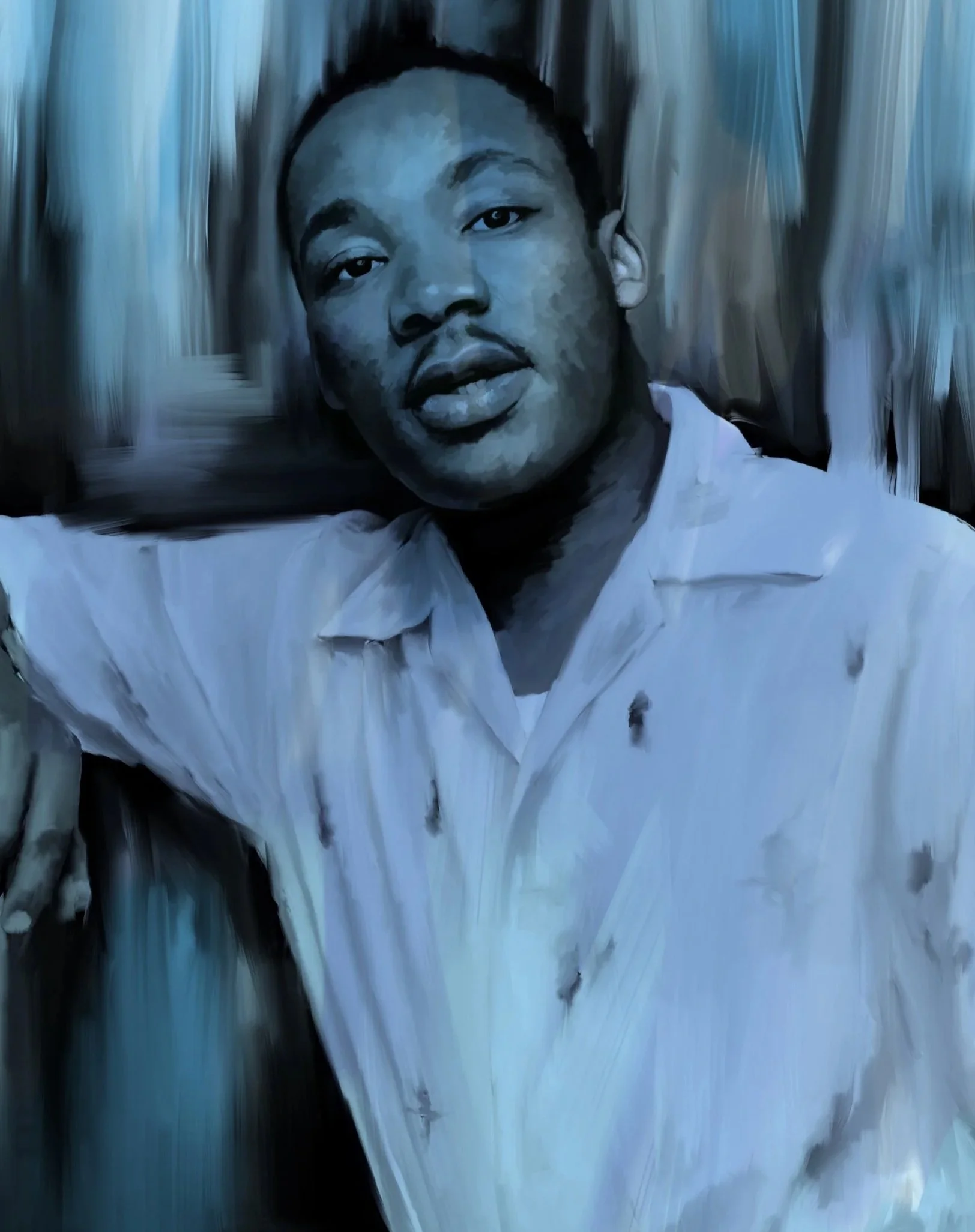
Removed from the context of trauma, visual art such as paintings, sketches, illustrations, or comics are already used to help us contextualize our understanding of mental health, and functions as a means of connection between niche groups, such as survivors of domestic abuse.
Such visual art includes:
Paintings
Sketches
Illustrations
Comics
Doodles
Subjectivity is the nature of visual art. No self-expression piece is inherently more accurate than another and much is left up to the interpretation of the viewer. Visual art like drawing and painting has the ability to affect our emotional core, without telling us anything. By translating your emotions into scribbles within a sketchbook, or into splatters across a canvas, exploring visual art mediums can help reduce your overall stress, enhance your self-awareness abilities, and provide you with a deeper sense of well-being.
Composition
A second option for self-expression is writing. Composing the written word is an art form that is more direct in terms of messaging and themes. Expressive writing can affect you in a deeper way than you may initially be prepared for. Writing can be a purely solo venture–writing purely for oneself without the intention of sharing any of the content, or you could choose to join a writing community and create alongside like-minded writers, who may have dealt with similar traumas in their pasts. The choice to write about past traumas has a cleansing effect on the brain, as you free up cognitive resources to increase your focus which can, in turn, improve your problem-solving capabilities. It’s important to note that over time trauma can cause irreparable damage to your brain. By translating your thoughts and feelings into composed pieces, you’re allowing your brain an outlet to organize itself and the trauma you’ve endured, allowing you to move forward.
However, in spite of this key difference, writing harnesses an awful amount of healing power.

Such as:
Lowering blood pressure
Strengthening immune system
Reducing overall stress levels
Providing heightened clarity
Other Creative Outlets

Creative expression comes in many forms. While some methods may be beneficial to one person’s growth, another could work better for someone else.
Inner-Child Centered Activities:
Some people find that working on jigsaw puzzles or coloring books help to calm their minds, allowing them to refocus their energy on more important tasks. Focusing on shapes and colors allows your brain to relax and settle on something simpler–something you also have a fair amount of control over. Setting aside time to perform unconventional, yet equally-creative activities like this every day can not only provide a sense of control over your life, but can also grant you dedicated time to tap into your inner child.
Junk Journaling:
Another popular alternative method to expressing yourself creatively, and one that draws the less creative crowd, is to blend these methods to create a journal made up of a collection of images, words, and photos. You could also include drawings of your feelings when words fail to capture how you’re truly feeling.
Physical Activity:
On the other end of the spectrum, some people could find something more physical, like dancing or playing an instrument, is a better outlet for them. Whatever you decide is the best method, or set of methods, it’s important that your activities give both your brain and your body a chance to rest and express your feelings in safe and productive ways.
Guided Meditation:
Self-reflection is a largely internal process, targeted less at expressing your feelings and more on understanding them. An effective way to self-reflect consists of finding a serene, quiet location–one completely free of distractions and negative associations–and setting your intention. When setting an intention for meditation, try to focus on what you want to gain during this time–the more specific your questions or intentions, the more you’ll be able to focus on the areas of your life you’d like to improve upon outside of your meditative state. The activities you choose can include those mentioned earlier, or something more passive like meditation–as long as it gives you a chance to quiet your mind.
For a more detailed description of guided meditation practice techniques, please take a look at our Guide to Guided Mindfulness Meditation here.
The Impact of Self-Expression
Self-expression, while a more hands-on and physical experience than self-reflection, is equally important to expressing even the most complicated and buried emotions–a quiet and understated act that greatly depends on the person. Regardless of how self-expression is practiced, it causes the heightening of one’s personal well being and inner growth.

Previously, specific methods for expressing yourself were discussed, but there are also a few, simpler strategies that can enhance your growth.
These strategies, although sometimes as straightforward as the act of acknowledging your emotions, can be extremely healing–especially in cases where people have experienced significant traumas.
Moving Forward From Trauma
Trauma can be extremely difficult to shoulder and have taxing impacts on your future, but there is always time to overcome your past. There is no wrong answer when it comes to processing trauma and moving forward, and the processes of both self-reflection and self-expression can aid you in your work while providing simple, attainable goals. No matter what you’re holding onto in life, practicing healthy and consistent self-expression can help you come to terms with the past, embrace the present, and re-ignite excitement for the future.

How have you been able to overcome the hardships you’ve faced in your life?
Express yourself in the comments below and join the self-expression conversation.
Want to help others find themselves again?
Consider donating to Deliverance Charities, and help us fulfill our mission to Inspire. Develop. And Empower.
Have questions? Want to get involved? Email us at questions@delivercharity.org or read free stories of overcoming adversity, to support self-expression and empowerment initiatives.
Deliverance Charities Blog FAQs
Q. Do I have to keep my drawings to myself? Do I have to share them with others?
A. You can do whatever feels most helpful to you. If you want to be the only person who sees what you’ve made, that's okay. If you want to share your self-expression with others, that’s all right too.
2. Q. Can I try other creative outlets for self-expression that interest me?
A. Absolutely. There are all kinds of creative outlets, both large scale and small scale for you to experiment with to see what works for you.
3. Q. Should I try both the self reflection and self-expression processes?
A.You should try whatever will make you feel better. If one doesn’t work, feel free to try out the other. If you want to get a full experience of both, go ahead and try both. If one is good enough, you can stay in that boat. There is no wrong answer.
4. Q. What if I don't feel like I have anything to say or express?
A. Sometimes we all feel that way, but as long as you try, even if you scrawl a pencil over a paper doodling circles, you will be showcasing something and you will be headed down the right path toward self-expression.
5. Q. What if none of these methods of self-expression feel right for me?
A.That’s perfectly fine. All you have to do is keep trying. And if you’re looking for a more physical way of feeling seen you can go for a walk, clean your room, or clean up the world around you. There are many tasks that can help you feel more productive and active.